
E-mail:
qyszhjx@163.comCall Us:
+86-391-5935000
Cardboard paper usually is combinated by multilayer kraft paper and corrugated paper,the thickness is a little high,our cardboard paper making machine manufacture craft/corrugated paper,the former is combinated of same or different type,equipped with multi pre-pressure and multi main pressure,there are fourdrinier,multi-fourdrinier,multi cyliner cardboard paper machine.
A Cardboard box machine is a mechanical device specifically designed to manufacture boxes in various shapes and sizes. These machines perform a series of operations like cutting, creasing, folding, and gluing to convert flat sheets of material, such as cardboard or corrugated board, into boxes. Box machines, crucial for meeting rising demands in sectors like retail, food, and electronics, hold the key to business competitiveness today.
Consistent quality: Because the machine is highly automated, it can produce boxes that are identical in quality and appearance. This is important when you're producing boxes for high-end products, as any variation in quality could result in customer dissatisfaction.
Increased productivity: A rigid box making machine is designed to be highly efficient, which means that it can produce a large number of boxes quickly. This can help you increase your productivity and meet customer demand.
Cost-effective: While a rigid cardboard box making machine can be a significant investment, it can be cost-effective in the long run. By automating the box-making process, you can reduce your labor costs and improve your efficiency. This can help you save money over time.
Versatile: A rigid cardboard box making machine can be used to create a wide range of box sizes and styles. This versatility can be beneficial if you're producing boxes for a variety of products.
Better control over the production process: A rigid cardboard box making machine gives you better control over the product.

Paper carton box making machines are essential tools in the production of packaging materials for a wide variety of industries. These machines come in various models with different production capacities and features to cater to the needs of various businesses.
Read More
Corrugated paper machine is a type of machinery that is specifically designed for the production of corrugated paper. There are a few different models of corrugated paper making machine available on the market today, with each model offering its own unique set of benefits and...
Read More
Paper board Machine is a specialized machine that is used to manufacture paper board, which is a type of thick and durable paper used for packaging and similar purposes. There are various models of paper board machines available in the market, each with its own specific...
Read More
The most common types of corrugated board machines are single faced, double faced, and triple faced. Single faced machines produce a single layer of corrugated board, while double faced machines produce two layers and triple faced machines produce three layers.
Read More
Corrugated carton box making machine is a crucial equipment for producing high-quality cardboard boxes. There are different model versions available in the market, each with its own unique features and benefits. In this article, we will focus on the general features and...
Read More
Kraft envelope making machine is a revolutionary equipment designed to enhance the productivity of envelope manufacturing. The machine comes with several features that make it a valuable investment for businesses looking to enhance efficiency in envelope production.The making...
Read More
Kraft Paper Making Machine usually use waste carton paper as raw material. The weight of the paper it produces is 80-120gsm. The main quality requirements of the produced paper are strong flexibility, high resistance to rupture, and can withstand greater tension and pressure...
Read More
Cardboard Paper Machine is similar with these paper machines. But becaused of the high thickness of cardboard, its molding machine consists of the same or different molding machines, and is equipped with multiple pre-presses and multiple main presses.
Read More
Kraft Paper Making Machine usually use waste carton paper as raw material. The weight of the paper it produces is 80-120gsm. The main quality requirements of the produced paper are strong flexibility, high resistance to rupture, and can withstand greater tension and pressure...
Read More
Cardboard Paper Machine is similar with these paper machines. But becaused of the high thickness of cardboard, its molding machine consists of the same or different molding machines, and is equipped with multiple pre-presses and multiple main presses.
Read More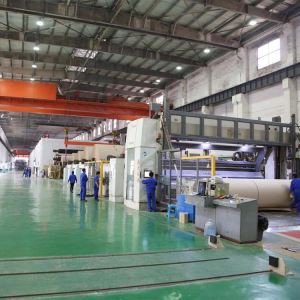
Fluting paper machine is also called corrugated paper making machine, it could produce corrugated paper as raw material for making carton box, envelope etc. The paper usage is very extensive. So investing fluting paper making machine has very good market prospect. We...
Read More
Carton box machine is used to make big jumbo roll carton paper, carton box is used to packing food, cosmetic, electronic product, daily product, pharmaceutical products and so on.
Read More
Our Factory
Qinyang City Zhenghua Paper Machinery CO., Ltd is located in Qinyang City, Henan province, China, is a collection of scientific research, design, manufacturing, marketing and service in one of the large-scale papermaking equipment enterprises.
Our Product
The company mainly manufacture all kinds of high-strength corrugated / linerboard machine (used in the production of various types of paper packaging), culture paper machine for the production of printing paper/ A4 paper, toilet paper machine for the production of high-grade household paper, napkins, paper towels etc, special paper making machine include mosquito coil making machine,insole board paper making machine,recycled leather making machine and could supply all kinds of paper making pulping equipment and the spare parts for paper machine.
Main Market
We ensure that our paper machines are of high quality,right mix of quality and price is what we offer to our customer.We have customers from both domestic market and oversea market,main sales market:middle east area,Africa,southeast Asia etc,welcome customers to contact us.
Our Service
The company has first-class sales and technical service team, according to customer requirements to provide project design, process design and technical training, etc.. We provide a pre-sale, sale, the after-sales tracking service, fully eliminate the worries of the majority of customers.Pre-sale service,supply detailed drawing and technical scheme,provide complete and professional consultation service;after-sale service,send professional installation technician to guide machine installation,and provide technical training for your workers.
When choosing a cardboard box making machine, there are a number of factors to consider, including:
The type of boxes you need to produce: The type of boxes you need to produce will determine the type of box making machine you need. For example, if you need to produce custom-shaped boxes, you will need a die-cutter. If you need to produce high-volume runs of boxes, you will need a flexo press.
The speed and efficiency of the machine: The speed and efficiency of the machine are important factors to consider if you have a high-volume packaging operation. You will need a machine that can produce boxes quickly and efficiently to meet your production needs.
The cost of the machine: Box making machines can be expensive, so it is important to set a budget before you start shopping. There are a variety of box making machines available at different price points, so you should be able to find a machine that fits your budget and needs.
The size and weight of the machine: Make sure to choose a machine that is the right size and weight for your space. You will also need to consider how you will get the machine into and out of your facility.
The power requirements of the machine: Make sure to choose a machine that has the appropriate power requirements for your facility.
The ease of use: Choose a machine that is easy to operate and maintain.
The customer support offered by the manufacturer: Choose a manufacturer that offers good customer support in case you have any problems with your machine.

In the realm of packaging, where efficiency reigns supreme, carton making machines stand as marvels of precision engineering. These intricate machines seamlessly transform raw materials into sturdy containers that protect and preserve countless products. Understanding the components of such machines is crucial for maximizing their performance and ensuring flawless packaging operations.
The heart of a carton making machine lies in its die-cutting unit. This component exerts immense pressure to cut intricate shapes from various materials, ranging from corrugated cardboard to plastic sheets. The accuracy of this process determines the precision of the final carton's dimensions and shape.
Next comes the creasing section, which prepares the die-cut sheets for folding. Expertly placed creases enable the sheets to bend effortlessly along designated points, creating the carton's walls and base. The precision of the creases ensures a snug fit and minimizes the risk of tearing during the assembly process.
Folding and gluing play a vital role in shaping the carton. Advanced folding mechanisms deftly bring together the creased sheets, forming the basic structure. Adhesive-dispensing units then apply a precise amount of glue to the edges, bonding them seamlessly. This combination ensures the carton's strength and durability.
Modern carton making machines often incorporate advanced features to enhance their capabilities. Laser cutting technology enables intricate die-cutting, while automated sheet feeding systems streamline the production process. Programmable logic controllers (PLCs) provide precise control over machine functions, increasing efficiency and minimizing downtime.
The constant evolution of carton making machines is driven by the need for speed, versatility, and sustainability. Manufacturers continually strive to create machines that can handle different materials, produce a wider range of carton sizes, and reduce environmental impact.
Composing the backbone of the carton making machine are its structural components. A sturdy frame ensures stability and precision during the cutting and folding process. Mechanical drives, powered by electric motors, transmit motion throughout the machine, enabling its various operations.
Sensors and feedback mechanisms ensure accuracy and prevent malfunctions.
The user interface, typically a touchscreen, provides a centralized control point. Operators can input parameters, monitor machine status, and troubleshoot issues, making operation efficient and intuitive.
Paper Preparation
Whether using virgin Kraft paper or recycled materials, it's essential to ensure that the paper is clean, free from impurities, and of consistent quality. The paper is often delivered in large rolls and is unwound, cut, and conditioned to meet the requirements. Conditioning may include controlling the paper's moisture content and temperature, which are vital for ensuring proper adhesion during the corrugation process.
Corrugation Process
The Kraft paper is fed into a corrugator machine, which heats and moistens the paper, making it pliable. The softened paper is then passed through a set of corrugating rolls, which shape it into a wavy pattern, known as flutes. These flutes provide strength and flexibility to the box, cushioning the contents against impacts and providing insulation against temperature changes.
Gluing and Joining
Once the flutes have been formed, the next step is gluing and joining. Here, the fluted paper is adhered to the linerboards using a starch-based adhesive. The corrugated medium is glued on one side and then joined with a linerboard, creating a single-face board. For double-wall and triple-wall boxes, this process is repeated, adding more layers of corrugated medium and linerboard.
Cutting and Scoring
After the glue has dried and the boards have been formed, the resulting corrugated sheets are cut and scored according to the box design. The sheets are cut to the desired size, and scores (or creases) are made at specific locations to allow the box to be folded into shape. This step requires precision and accuracy to ensure that the boxes are of uniform size and shape, fitting perfectly with the product they are meant to hold.
Printing and Design
Printing and design add the aesthetic touches to the corrugated boxes. Depending on the box's purpose and the customer's requirements, the box may be printed with logos, product information, handling instructions, or any other form of branding. Various printing methods can be used, such as flexography or lithography, each offering different advantages in terms of cost, quality, and versatility.
Folding and Forming
The final step in the manufacturing process is folding and forming the boxes. The cut and scored sheets are folded along the creases to create the box shape, and the flaps are often glued or stapled together to secure the box. This process can be done manually or automatically, depending on the volume of production. The boxes are then bundled together, ready for shipping to the customer.
Creative Uses for Corrugated Box Making Machines Across Industries
Marketing and Advertising
Beyond their primary function as protective packaging, corrugated boxes can serve as powerful marketing and advertising tools. By incorporating eye-catching graphics and innovative designs, businesses can create custom boxes that attract attention, promote brand recognition, and drive sales. From interactive displays at trade shows to limited-edition collectors' items, corrugated boxes are proving their worth as an unconventional marketing medium.
E-commerce and Retail
The e-commerce boom has fueled the demand for durable and cost-effective packaging solutions. Corrugated box making machines enable businesses to produce custom boxes tailored to the specific dimensions and handling requirements of their products. By optimizing packaging for size and weight, businesses can reduce shipping costs, minimize damage, and enhance the customer experience.
Art and Design
Corrugated boxes have also captured the imagination of artists and designers, who have recognized their potential as an unconventional canvas. The sturdy and lightweight nature of cardboard makes it a versatile material for sculptures, installations, and even wearable art. From intricate pop-up books to architectural models, the creative possibilities are endless.
Construction and Architecture
In the realm of construction and architecture, corrugated boxes are making a surprising impact. As a sustainable and low-cost alternative to traditional building materials, corrugated cardboard has been used to create innovative shelters, emergency housing, and even entire buildings. The lightweight and insulating properties of cardboard make it an ideal choice for disaster relief and temporary structures.
Sustainable Solutions
Corrugated boxes are inherently eco-friendly, as they are made from renewable and recyclable materials. By leveraging the versatility of corrugated box making machines, businesses can reduce their environmental footprint and promote sustainability. From biodegradable packaging materials to cardboard furniture, the use of corrugated cardboard is contributing to a more circular economy.
Customization and Innovation
Modern corrugated box making machines offer a high degree of customization and innovation. Businesses can choose from a wide range of cardboard types, printing options, and design features to create boxes that are tailored to their specific needs. From automated production lines to advanced finishing techniques, these machines are enabling the creation of truly unique and cutting-edge packaging solutions.
1) Machine vibration
One of the most common problems with corrugator machines is machine vibration. This can be caused by several factors, including improper installation, unbalanced rollers, or worn bearings.
You need to check the machine setup to make sure all the rollers are balanced. You may also need to replace the bearings if they are worn out.
2) The machine is blocked
Another common problems with corrugator machines are paper jams. This can be caused by several things, such as a buildup of paper dust or debris, damaged parts, or operator error.
You'll need to regularly clean the machine, inspect it for damage, and make sure operators are properly trained.
3) Paper feeding problem
Another common problem with corrugator machines is paper feeding. This can be caused by several different things, such as incorrect paper size, damaged rollers, or misaligned conveyor belts.
You need to check the paper size to make sure it's correct. If not, you need to adjust the settings on your machine. Next, check the rollers for damage and replace them if necessary. Accordingly, align the conveyor belt so that it is in the correct position.
4) The sound of the machine
Corrugated cardboard-making machines can also make strange noises when they are not working properly. This can be caused by several things, but usually, it is due to the buildup of dust and debris on the machine.
Hear strange noises from your cardboard-making machine, be sure to check for dust and grime buildup. You maybe need to clean the machine with compressed air or a vacuum cleaner.
5) Electrical problems
Finally, corrugator machines sometimes experience electrical problems. This can be caused by several things, such as a faulty switch, a tripped circuit breaker, or a loose wire.
Pre-Maintenance Checklist
Before starting any maintenance tasks, it is essential to follow a pre-maintenance checklist to ensure safety and readiness:
Power Down and Disconnect: Always turn off the machine and disconnect it from all power sources. This step is critical to prevent accidental startups that could cause injury or damage.
Gather Necessary Tools and Supplies: Prepare all required tools and materials, such as cleaning supplies, lubricants, and spare parts. Having everything on hand will make the maintenance process more efficient.
Review the Manufacturer's Manual: Refer to the manufacturer's maintenance manual for specific instructions and guidelines. This manual is an invaluable resource for understanding your machine's unique requirements.
Cleaning and Inspection
Regular cleaning and inspection are fundamental components of machine maintenance:
Thorough Cleaning: Remove any debris, dust, and buildup from the machine. Pay special attention to areas where dust and debris are likely to accumulate, as these can affect the machine's performance.
Inspect Components: Check all machine components for wear, damage, or misalignment. Identifying issues early can prevent more severe problems later.
Check Fasteners: Ensure all bolts, nuts, and other fasteners are tight. Loose fasteners can lead to misalignment and potential machine failures.
Lubrication
Proper lubrication is essential for the smooth operation of moving parts in your rigid box-making machine:
Identify Lubrication Points: Refer to the manufacturer's manual to locate all lubrication points on the machine. These points are critical to maintaining the machine's operational efficiency.
Use Recommended Lubricants: Always use the lubricants recommended by the manufacturer. Using the wrong type of lubricant can damage the machine components.
Lubricate Moving Parts: Ensure all moving parts, bearings, and guides are adequately lubricated. Regular lubrication reduces friction and wear, extending the machine's lifespan.
Blade Maintenance
Blades are a critical component of automatic rigid box-making machines and require regular maintenance:
Inspect Blades: Regularly check blades for dullness or damage. Sharp blades ensure clean cuts and efficient operation.
Sharpen or Replace Blades: Sharpen blades as needed or replace them if damaged. Dull or damaged blades can cause poor cuts and increase machine wear.
Ensure Proper Alignment and Tension: Proper blade alignment and tension are crucial for optimal performance. Follow the manufacturer's guidelines to adjust these settings correctly.
Follow Safety Protocols: Always follow safety protocols to prevent injuries when handling blades. Use appropriate tools and protective equipment as recommended by the manufacturer.
Sensor and Control System Checks
The sensors and control system of your machine are vital for accurate operation:
Test and Calibrate Sensors: Regularly test and calibrate sensors to ensure they function correctly. Accurate sensors are essential for precise machine operations.
Check the Control System: Look for any error codes or malfunctions in the control system. Address any issues promptly to avoid operational disruptions.
Perform Updates: Keep the machine's software and firmware up to date. Updates often include significant improvements and bug fixes that enhance machine performance.
Preventive Maintenance Schedule
Establishing a preventive maintenance schedule is essential for long-term machine health:
Regular Maintenance Schedule: Follow the manufacturer's recommendations for maintenance intervals. Consistent maintenance prevents unexpected breakdowns and prolongs machine life.
Detailed Records: Keep detailed records of all maintenance activities and machine performance. These records help track the machine's condition and identify patterns that may indicate potential issues.
Plan for Wear Parts Replacement: Periodically replace worn parts and consumables as the manufacturer recommends. Timely replacement prevents wear parts from damaging other components.
Safety Considerations
Safety should always be a priority during maintenance activities:
Follow Safety Protocols: Always adhere to the manufacturer's safety protocols. These guidelines are designed to protect you and the machine.
Use Personal Protective Equipment (PPE): Wear appropriate PPE, such as gloves, safety glasses, and protective clothing. PPE helps prevent injuries during maintenance tasks.
Safe Handling of Machinery and Tools: Handle all machinery and tools carefully. Be mindful of moving parts and sharp edges to avoid accidents.
